Hey guys.
Kitesurfing etiquette comes down to two things: always help, and always know what’s happening around you. Everything else follows from those two.
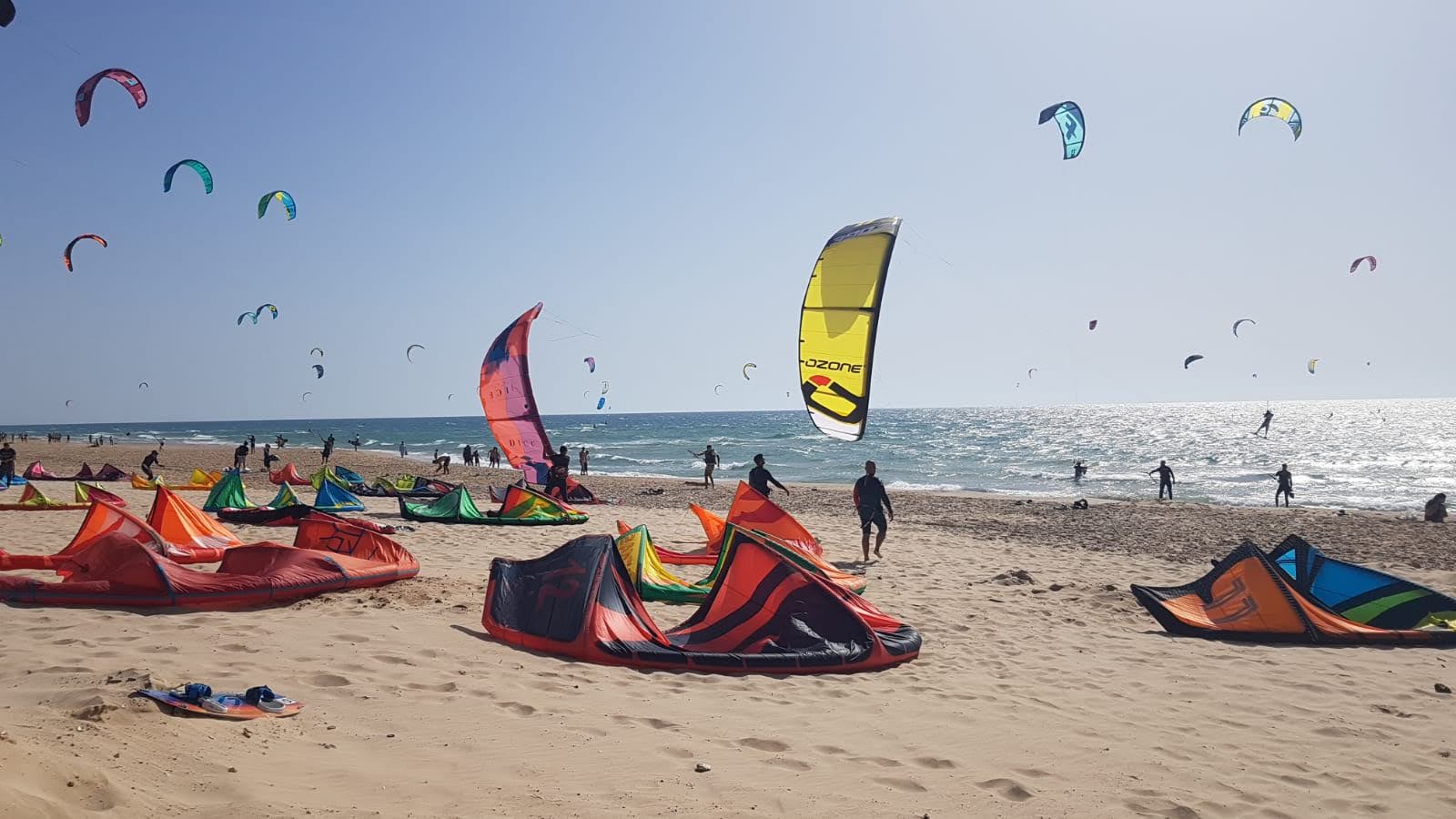
Some riders think they own the beach and the water. They launch without looking, they ignore other kiters in trouble, they ride through crowded areas without a second thought. They don’t. The beach belongs to everyone — kiters, swimmers, families, surfers, walkers. How you behave there reflects on every kitesurfer at that spot.
This guide covers the kitesurfing etiquette every rider should know — written, unwritten, and the stuff nobody tells you until you’ve already made the mistake.
Always Help
This is the golden rule of kitesurfing etiquette and it comes before everything else.
If a rider needs help launching, help them. If someone’s kite is down and they’re struggling, stop and assist. If you see someone drifting offshore and in trouble, don’t look the other way. If a beginner needs a hand landing their kite, give it.
Kitesurfing is a sport where help matters. A rider who can’t get their kite down alone is in a genuinely difficult situation. A rider drifting offshore without a shore contact is in a dangerous one. The kitesurfing community is smaller than most — every spot has regulars, every regular has been a beginner, and every beginner eventually becomes someone who can help others.
The riders who refuse to help, who walk past someone in difficulty because they’re focused on their own session — they’re noticed. And remembered.
Know What’s Happening Around You
The second rule of kitesurfing etiquette is situational awareness — and it’s as much a safety issue as a courtesy one.
Before you launch, look at what’s happening on the water. Where are other riders? Which direction are they going? Is there a beginner lesson running in the shallows? Are there swimmers or surfers in the zone you’re planning to ride?
During your session, keep checking. The rider who locks in and blocks out everything around them is the one who causes near-misses, cuts across other kiters’ lines, and ends up in confrontations on the beach. It’s also the rider who misses the conditions changing until it’s too late.
Being aware of your surroundings isn’t just good etiquette — it’s the foundation of kitesurfing safety.
On the Beach — Before You Launch
Rig away from the riding zone. Set up your kite behind the beach, not in the middle of it. A kite laid out across a busy beach path is a hazard to everyone walking through — and lines under tension at ankle height will take someone down.
Check the launch area before you inflate. Is someone else about to launch? Is there a kite coming in to land? Is the wind direction going to send your kite toward something it shouldn’t go near? Look first. Always.
Ask before you launch in a busy spot. On a crowded beach, a quick check with the riders nearest to your launch point is basic kitesurfing etiquette. “Is it clear to launch?” costs five seconds and prevents incidents that take much longer to sort out.
Don’t launch in front of other riders. If there are kiters already on the water heading toward the launch zone, wait. You don’t have right of way over riders already on the water. The right of way guide covers this in full.
Keep your lines tidy. Lines laid across a beach path, tangled with other riders’ gear, or left unattended in the wind are a problem for everyone. Walk your lines out carefully, keep them controlled, and never leave a powered kite unattended on the beach.
On the Water — Right of Way and Common Sense
Right of way rules exist for a reason. Know them and follow them — not just because they’re the rules, but because ignoring them puts people in danger.
The basics: starboard tack has right of way over port tack. The upwind rider keeps their kite high, the downwind rider keeps theirs low. The overtaking rider gives way. These aren’t suggestions — they’re the rules that keep a busy water safe. The IKO publishes the full international right of way standards that all certified schools teach. If you don’t know them properly, read the full right of way guide before your next session.
Beyond the formal rules — use common sense. Give beginners extra space. They’re less predictable and less able to adjust their position quickly. If you’re an experienced rider sharing the water with someone who’s clearly still learning, it’s your responsibility to give them room, not theirs to stay out of your way.
Give significant space to swimmers, surfers, and paddleboarders. They can’t see your lines. They can’t predict where you’re going. They can’t move as fast as you. If you’re close enough to make them nervous, you’re too close.
Don’t ride through a beginner lesson. Schools use specific areas for a reason. Riding through that zone disrupts the lesson, distracts students who are already managing a lot, and is exactly the kind of thing that makes kitesurfers unwelcome at shared spots.
Landing — The Part Most Riders Get Wrong
Landing etiquette is the most commonly ignored part of kitesurfing beach behaviour.
Ask for a land. When you’re coming in, make eye contact with someone on the beach and signal that you need help landing. Don’t assume someone will just appear. Don’t expect a stranger to know what you need without communicating.
Land in the designated area. Not wherever is convenient. The landing zone exists so that riders coming in don’t create a hazard for riders going out or people on the beach.
Thank whoever helps you. This sounds obvious. It’s surprisingly often skipped. The person who caught your kite and walked it down did you a favour. Acknowledge it.
Know how to self-land. If a helper isn’t available, you need to be able to get your kite down without one. This is a skill every rider should have — the self-land guide covers the correct technique.
The Riders Who Think They Own the Beach
Every kite spot has them. The rider who launches without warning anyone. The one who cuts directly across the riding zone without looking. The one who ignores a beginner in trouble because they’re mid-session. The one who takes the best spot on the beach and makes it clear no one else is welcome near it.
These riders exist everywhere and the kitesurfing community is pretty good at identifying them quickly. They’re the ones other regulars stop helping. They’re the ones who create incidents and then act surprised. They’re the reason some beaches have restricted or banned kitesurfing entirely.
The beach doesn’t belong to any one rider. The water doesn’t either. If you’re the kind of person who shows up, takes what you need, and ignores everyone else — that’s not a personality trait, it’s a choice. And it’s one that affects every other kitesurfer at that spot.
A Few Small Things That Matter More Than You’d Think
Say hello to the regulars. At a spot you ride frequently, knowing the other regulars matters. They know the local conditions, the tidal patterns, the hazards. They’re also the people who’ll help you if something goes wrong.
Leave the beach cleaner than you found it. This shouldn’t need saying, but kite spots that have issues with litter are spots that attract complaints from other beach users and local authorities. Pick up after yourself. Pick up after others if you see something.
Be patient with beginners. Everyone was one. The beginner who’s struggling with their water starts isn’t ruining your session — they’re going through something you went through too. Give them space and a kind word if it’s appropriate.
Don’t give unsolicited advice on the water. Unless someone is about to do something dangerous, keep your coaching to yourself mid-session. If you want to share something useful, do it on the beach after the session when they can actually process it.
FAQs
What is kitesurfing etiquette?
Kitesurfing etiquette is the set of written and unwritten rules that govern behaviour on the beach and water. The two foundations are always helping others and always being aware of what’s happening around you. Beyond that — follow right of way rules, rig away from the riding zone, ask for help launching and landing, and give space to swimmers and beginners.
Who has right of way in kitesurfing?
Starboard tack has right of way over port tack. The upwind rider keeps their kite high, the downwind rider keeps theirs low. The overtaking rider gives way to the rider being overtaken. Riders launching and landing have no right of way over riders already on the water.
What should I do if someone needs help on a kite beach?
Help them. If a rider needs a hand launching or landing, assist. If someone’s kite is down and they’re struggling, stop. If you see a rider in trouble on the water, raise the alarm or assist if you safely can. Helping others is the most fundamental rule of kitesurfing etiquette.
Is it bad etiquette to ride through a kitesurfing lesson?
Yes. Schools use specific areas for instruction deliberately. Riding through a lesson zone disrupts students who are already managing a lot of new information, creates a safety risk, and is widely considered one of the worst examples of kitesurfing etiquette on a shared beach.
How do I ask someone to help me land my kite?
Make eye contact with someone on the beach and signal clearly — most kiters will recognise the landing signal. A verbal “can you catch my kite?” when you’re close enough works fine. If no helper is available, use the self-land technique rather than attempting an unsafe landing.
What happens if a kitesurfer ignores etiquette rules?
At busy spots, riders who consistently ignore kitesurfing etiquette are quickly identified by regulars and get less help and cooperation in return. More seriously — poor etiquette creates real safety risks for other beach users, and repeated incidents at specific spots have led to kitesurfing restrictions or bans at some locations worldwide.
Ride hard. 🤙




I’ve been riding since 2009 — mostly Red Sea and Mediterranean, a season in Tarifa, a few trips to Brazil. I started this site because the maintenance advice online was either vague or wrong, and I got tired of watching riders show up with gear that should have been retired two seasons ago. I fix what other people ignore.