Yup, building a professional kite repair kit is the difference between a 5-minute fix and a ruined weekend.
Every kiter has a pump and a bar, but a pro carries a toolbox. Having the right hardware in your car can be the difference between a 2-hour session and a frustrated drive home.
If you want to maintain your gear’s “factory-spec” performance, these are the five non-negotiable items that should live in your technical toolbox.
Note: This post contains affiliate links. Full Disclosure.
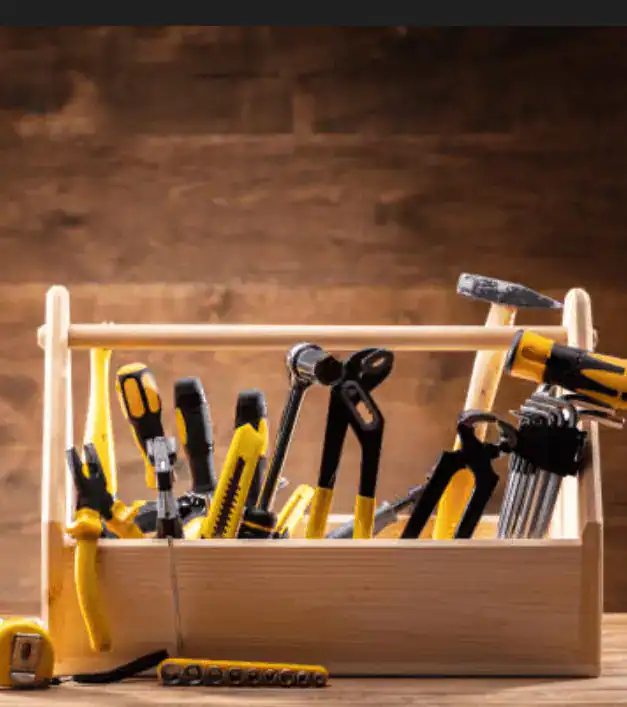
1. Spare Pigtails Set (Universal)
Pigtails are the “fuses” of your kite system. They are designed to take the most wear so your main lines don’t have to.
- The Tech Tip: Look for heavy-duty, multi-knot pigtails. They allow you to make micro-adjustments to your kite’s angle of attack on the fly if you notice the kite is over-sheeting.
- Correct pigtail management is essential for a Perfect Bar Tune.
2. Silicone-Based Lubricant (Dry Spray)
Salt and sand are the primary enemies of your safety system.
- The Tech Tip: Use a dry silicone spray on your chicken loop release mechanism and speed-ball bearings. Avoid oil-based lubes, as they actually attract sand and create a “grinding paste” that destroys plastic components.
3. Line Extensions (5m or 2m)
Wind gradients change with height. Having a set of line extensions in your box allows you to change the “leverage” your kite has on the air.
- The Tech Tip: Adding 5m extensions in light wind increases the “power window” arc, giving the kite more room to generate apparent wind.
4. Leading Edge Adhesive Patches (Dacron)
A pinhole in your bladder is a nuisance; a tear in your Dacron leading edge is a structural failure.
- The Tech Tip: Always carry heavy-duty adhesive Dacron tape. If you catch a small nick on a shell or rock, patching it immediately prevents the pressure (usually 6-9 PSI) from turning a tiny hole into an explosive blowout.
Pros & Cons
| Feature | Tear-Aid Type A | Dacron Tape |
| Best For | Bladder/Canopy pinholes | Leading Edge/Heavy Scuffs |
| Flexibility | High (Stretches) | Low (Rigid) |
| Durability | Permanent | Temporary/Reinforcement |
5. A High-Quality Multitool (with Hex/Torx)
Between loose fin screws and footstrap adjustments, a standard screwdriver doesn’t cut it.
- The Tech Tip: Ensure your tool has the specific Hex sizes for your brand’s fins (usually 3/32″ or M4). A loose fin creates “ventilation”—air bubbles that cause your board to slide out mid-turn.
The Engineering Behind the Tools: Torque and Tensile Strength
Why can’t you just use any old hardware store screw or a bit of nylon string? As a specialist, you need to understand the forces at play on your equipment.
1. The Stainless Steel Trap (A4 vs. A2)
Most kiters buy generic screws for their fins or footstraps. However, saltwater environments require A4 Grade (316) Stainless Steel. Standard hardware store screws are often A2, which contains less molybdenum.
- The Physics: Under the high-vibration load of a twin-tip board cutting through chop, A2 steel can undergo “stress corrosion cracking.” Always ensure your toolbox spares are A4 marine-grade to prevent a fin from shearing off mid-jump.
2. Tensile Strength of Pigtails
The pigtails in your kitesurfing gear maintenance kit aren’t just ropes; they are high-tensile load-bearers. A standard 400kg break-load line is under constant “creep” (permanent elongation) when used in high-wind sessions.
- The Tech Tip: By carrying a fresh set of pigtails, you can compare the length of your current ones to the spares. If your used pigtails are 15mm longer than the spares, they have exceeded their elastic limit and need to be replaced to maintain the bar tuning we discussed in our previous guide.
3. Torsional Force on Footstraps
Your footstraps aren’t just held by friction; they are held by torque. Most kiters under-tighten their straps to avoid stripping the inserts.
- The Specialist Method: Using a proper Hex driver allows you to feel the “seat” of the screw. A drop of Tef-Gel (a specialized anti-seize) in your toolbox will prevent the chemical reaction between the stainless steel screw and the brass insert, ensuring you can actually get your straps off at the end of the season.
Guys, also have a look at Kitesurfing Repairs.




I’ve been riding since 2009 — mostly Red Sea and Mediterranean, a season in Tarifa, a few trips to Brazil. I started this site because the maintenance advice online was either vague or wrong, and I got tired of watching riders show up with gear that should have been retired two seasons ago. I fix what other people ignore.