Hey guys.
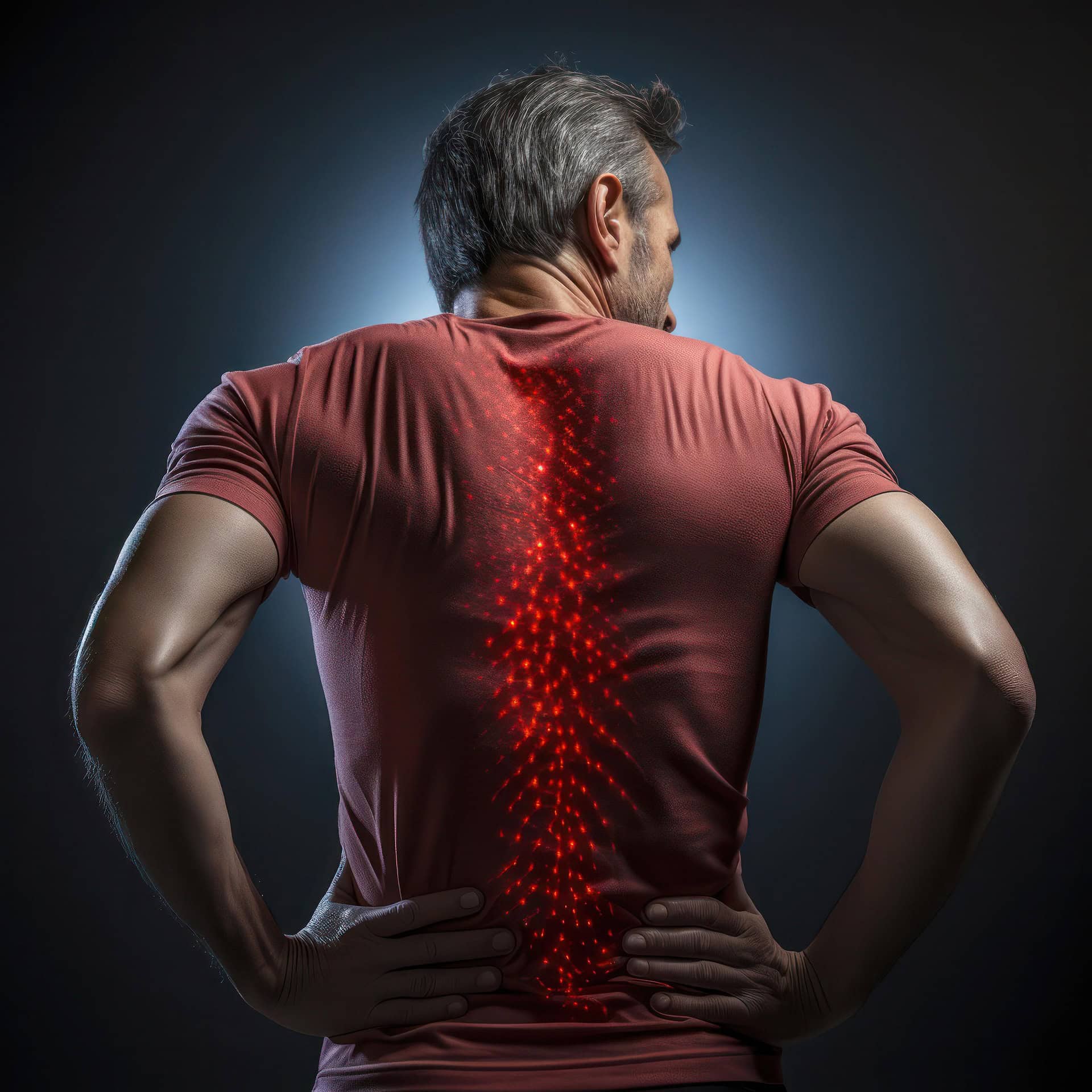
Kitesurfing harness back pain gets written off too easily — bad posture, weak core, getting older. Those things matter. But in a lot of cases the harness itself is the problem, or at least making an existing problem significantly worse.
Before you book a physio or buy a new board, read this. Kitesurfing harness back pain is usually fixable without spending a cent — once you know what’s actually causing it.
Knee issues are another common concern — the kitesurfing bad knees guide covers what actually helps on the water.
Note: This post contains affiliate links. Full Disclosure.
Why Kitesurfing Causes Back Pain
When you’re riding powered up, your body is constantly resisting the kite’s pull. That resistance runs through your core, your hips, and your lower back. Short sessions in moderate wind — no issue. Long sessions, gusty conditions, or riding overpowered shifts that load onto the lumbar muscles and they accumulate fatigue fast.
The lumbar region — roughly L3 to L5 — takes the brunt of it. It’s the area that gets compressed when the kite pulls hard and your hips drop back instead of staying forward. Once those muscles fatigue, your form breaks down and the strain compounds. What started as a dull ache at hour one becomes three days of discomfort.
The harness is the mechanical interface for all of that load. If it’s sitting wrong on your body, it’s not distributing the pull — it’s concentrating it. Kitesurfing harness back pain almost always traces back to this.
Harness Ride-Up — The Most Common Cause Nobody Talks About
The single most common cause of kitesurf lower back pain is harness ride-up — and it’s consistently overlooked.
When a waist harness rides up even a few centimetres, it shifts your centre of gravity upward. Now your lower back muscles are fighting to keep your spine straight against a pull point that’s sitting too high. Your lumbar is doing work it shouldn’t have to, every single gybe, every gust.
Ride-up happens for a few reasons: the harness is too loose, you’re riding in a seated posture instead of hips-forward, the harness is the wrong cut for your body shape, or you’re consistently overpowered and the kite is pulling it up faster than you can compensate.
Before you decide it’s a seat vs waist problem, check these first:
- Can you fit more than two fingers under the bottom edge when standing? Too loose.
- Is it sitting just above your hip bones — not floating toward your ribs?
- Has it stretched? Harnesses loosen with use. Sizing down one is often the entire fix.
If the harness is riding up, no amount of core work will fully solve kitesurfing harness back pain. The mechanical problem is still there.
Seat Harness vs Waist Harness — The Real Answer
Most riders get told “get a seat harness if your back hurts.” It’s not that simple — and following that advice without understanding the nuance can make things worse.
A seat harness keeps the hook lower — roughly at hip level, closer to your body’s natural pivot point. Because leg straps hold it in place, it doesn’t ride up. For riders who are consistently overpowered, still learning, or dealing with mid-to-upper back issues, a seat harness can genuinely reduce kitesurfing harness back pain.
The problem is that a seat harness changes how you ride. It lets you sit into the kite’s pull rather than counterbalancing with hips forward. Over time that can develop into a squatting stance — hips back, knees heavily bent — which creates a different kind of lower spine stress. Strong kite pulls in a seat harness can also cause spinal compression if you’re absorbing force in a rounded-back position instead of bracing your core.
For riders with specific lower lumbar issues — L4-L5 or L5-S1 — a well-fitted waist harness sometimes works better. The forward pull forces the lumbar and abdominal muscles to engage and brace the spine, which can be stabilising when the harness stays put. It only works if the harness isn’t riding up.
Where your kitesurfing harness back pain is coming from determines what to do:
- Lower lumbar pain, harness rides up → better-fitting waist harness first, or a hybrid boardshorts harness
- Lower lumbar pain, harness fit is fine → posture and power management before changing harness type
- Mid or upper back pain → seat harness is worth trying
- Radiating pain into glutes or legs → nerve issue, not a harness issue — see a physio before making any gear changes
The harness guide covers seat vs waist in full detail including fit, hook types, and what suits different rider builds.
Hard Shell vs Soft Shell — Does It Matter for Back Pain?
If you’re riding a soft shell waist harness and experiencing kitesurf lower back pain — the shell itself might be contributing.
Soft shells flex and twist with your body. That sounds good but it means the harness can rotate under load, especially riding switch or toeside. That rotation transfers directly to the lower back. Hard shell harnesses are rigid across the lumbar panel, which eliminates rotation and holds the spreader bar in a consistent position session to session.
Riders who switch from a worn soft shell to a structured hard shell often notice the difference within one session. Hard shells aren’t for everyone — they suit riders with a more athletic build and are less comfortable if the fit isn’t dialled — but for managing kitesurfing harness back pain they’re worth trying before you buy a seat harness.
Riding Posture Fixes That Actually Work
The best harness for kitesurfing harness back pain will still hurt you if your posture is working against it.
The position that protects your lower back: hips pushed forward, body leaning back against the kite’s pull, bar trimmed so the kite is depowered enough you’re not fighting it. If your hips are dropping back and your upper body is hunching toward the bar — your lumbar is absorbing load it shouldn’t be.
Bar trim. If you’re sheeting in hard to keep the kite flying, you’re overpowered. Ride with more depower. This is the most immediate fix most riders with kitesurf lower back pain never make. Understanding typical wind conditions at your spot helps you pick the right kite size so you’re not fighting conditions all session.
Stance width. A narrow stance reduces leg leverage against the board and forces more back compensation. Experiment with slightly wider foot placement — it makes a real difference.
One-hand riding. Deliberately ride with one hand on the bar. It forces your upper body to open up and your hips to come forward naturally. Do it for a few runs until it becomes the default.
Board size. Riding a board too small for the conditions means constantly fighting to stay upwind. That sustained effort goes through the back. Understanding how your kite sits in the wind window — and choosing kit that matches the conditions — takes a significant amount of that load off.
Off-Water Habits That Make It Worse
A lot of kitesurfing harness back pain isn’t created on the water. It shows up there because of what’s happening off it.
Sitting for long periods shortens the hip flexors and weakens the glutes. When you get on the water those muscles aren’t doing their job, so the lower back compensates. You can have strong abs and still have this problem.
Hip flexor stretching — daily, not just after sessions. Kneeling lunge stretch, 60–90 seconds per side. The single most useful thing most desk-working kiters can do for kitesurf lower back pain.
Glute activation — single-leg glute bridges before sessions. Wakes up the muscles that should be doing the stabilising work on the water.
Core work in extension — dead bugs, bird dogs, plank variations. Not crunches. Train the muscles in the positions they’re actually used in kitesurfing.
Stretch after sessions, not before. Post-session muscles are warm and receptive. Static stretching before a session on cold muscles doesn’t help and may increase injury risk.
Practical Harness Fit Checklist
Run through this before changing harness type:
- Size down if the harness has stretched — harnesses loosen significantly with use
- Tighten until the harness won’t rotate more than a couple of centimetres in any direction
- Position it just above the hip bones, not floating higher toward the ribs
- Check the spreader bar sits flat on your abdomen — not angled up or down
- If you wear a thick wetsuit, fit the harness over a similar layer — a harness sized for a bare torso can be too loose over 4mm neoprene
When It’s Not a Harness Problem
If your pain is sharp rather than muscular ache, or radiates into your glutes, hamstrings, or calves — that’s nerve involvement. Most likely the sciatic nerve or a compressed lumbar disc. No harness adjustment fixes that. Continuing to kite through it makes it worse.
Radiculopathy, numbness, or pain that’s worse sitting than standing — see a physiotherapist or sports medicine doctor before your next session. Kitesurfing harness back pain from nerve issues is manageable with the right treatment. It doesn’t improve by ignoring it and adjusting the spreader bar.
The kitesurfing safety guide covers injury risk factors more broadly — including how riding beyond your level or in conditions that are too demanding stacks up physical load faster than most riders realise.
Quick FAQ
Why does my back hurt after kitesurfing?
Usually one of three things: the harness is riding up and concentrating load on the lumbar, you’re overpowered and fighting the kite all session, or your posture is breaking down — hips dropping back instead of staying forward. Check harness fit and bar trim before anything else.
Is a seat harness better for back pain?
Sometimes — but not always. A seat harness eliminates ride-up and keeps the hook lower, which helps riders with mid-to-upper back issues or consistent overpowering. For lower lumbar pain specifically, a better-fitting waist harness sometimes works better. The right answer depends on where your pain is and why.
How tight should a kitesurfing harness be?
Tight enough that you can’t fit more than two fingers under the bottom edge when standing. It shouldn’t rotate more than a couple of centimetres under load. Most kitesurfing harness back pain traced to ride-up comes from harnesses worn too loose or stretched out from extended use.
Can I kitesurf with a bad back?
Depends on the injury. Muscular fatigue and general lower back ache — yes, with correct harness fit and posture adjustments. Sharp pain, nerve pain radiating into the legs, or numbness — no. See a physio first. Riding through nerve pain in kitesurfing almost always makes it worse.
Does core strength help kitesurf lower back pain?
Yes — but it’s not the whole answer. Core strength helps if the mechanical cause is already addressed. If the harness is riding up, you’re overpowered, or your posture is broken — core strength will slow the progression of kitesurfing harness back pain but won’t eliminate it.
Kitesurfing harness back pain is almost always fixable. The mistake most riders make is going straight to a new harness or a physio appointment without first checking whether the harness they have is just set up wrong.
Tighten it. Position it. Check if it’s riding up. That takes five minutes and costs nothing.
Ride hard. 🤙
Dealing with back pain that isn’t covered here? Drop it in the comments.




I’ve been riding since 2009 — mostly Red Sea and Mediterranean, a season in Tarifa, a few trips to Brazil. I started this site because the maintenance advice online was either vague or wrong, and I got tired of watching riders show up with gear that should have been retired two seasons ago. I fix what other people ignore.